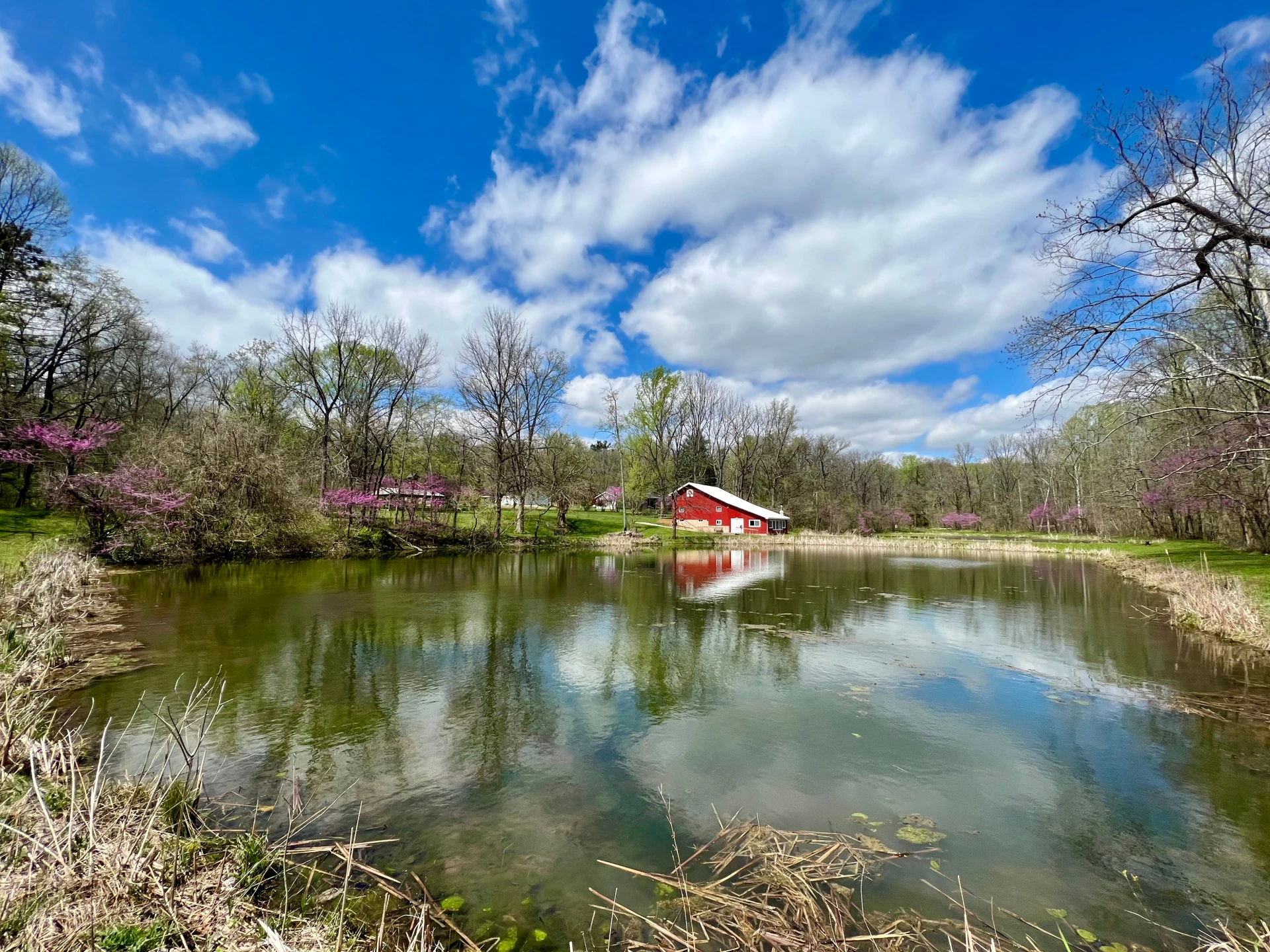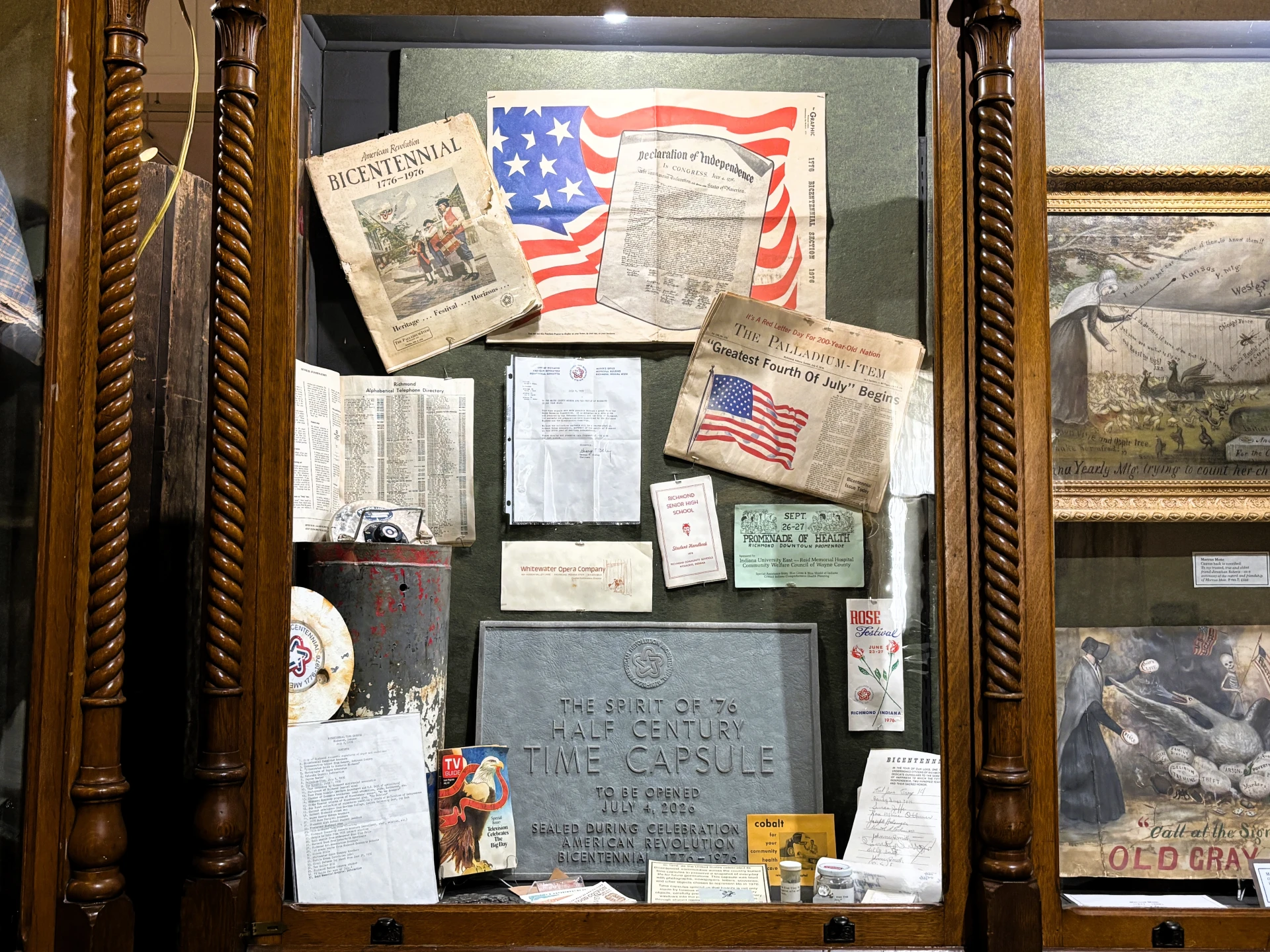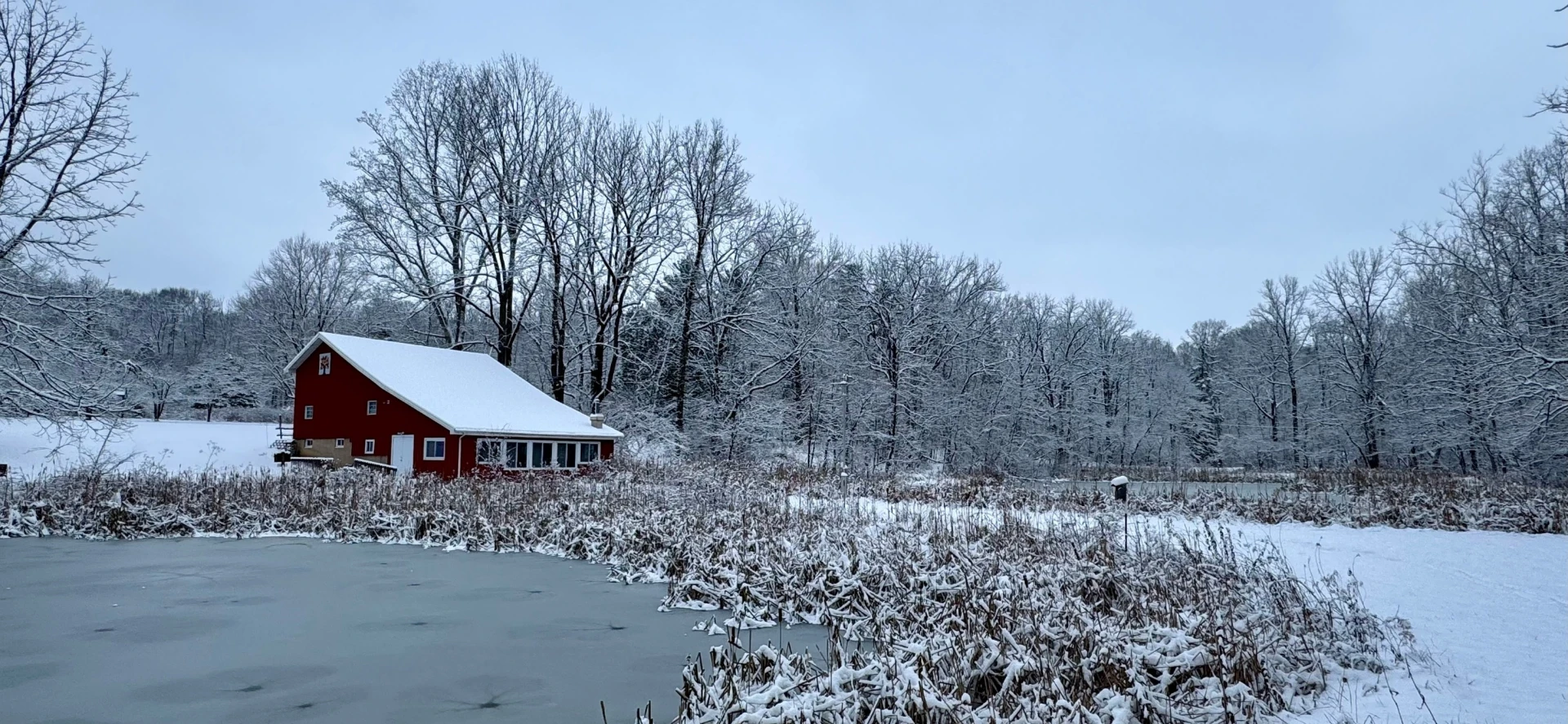
FAYETTE COUNTY, Ind. – Mary Gray Bird Sanctuary sits on 700 acres of land just south of Connersville.
The Sanctuary traces its roots back to the Gray family, whose story is closely tied to the land. It has grown from a family memorial into a significant conservation site.
The Sanctuary was established in 1943 when Alice Gray donated 251 acres to the Indiana Audubon Society in memory of her daughter, Mary, who died in 1940 at age 38 after a long illness. The gift was later expanded by hundreds of acres from the Gray estate in 1949 and another 30 acres from Phyllis Yuhas in 1972.
The Gray family’s ties to the land stretch back generations. Robert P. Gray, an Irish immigrant who fought in the American Revolution, settled in Fayette County in 1843. His descendants remained in the area, and in 1901 Finly H. Gray married Alice Green and later had Mary. Their daughter was born in 1902 but fell ill at the age of 12 and never recovered. Seeking solace after her death, Alice turned to nature and bird study, laying the foundation for what would become the Mary Gray Bird Sanctuary.

Photos provided by Mary Gray Bird Sanctuary.
Today, the Sanctuary has evolved from a protected natural area into a living landscape. It’s shaped by intentional stewardship, research, and public access. The Sanctuary includes eight miles of trails winding through woodland, prairie, and wetland habitats. More than 184 bird species have been documented on the property through eBird, a citizen science platform that collects sightings from staff and volunteers.
“It is both a place for people to experience birds and nature in a peaceful, rural setting away from the Indianapolis metro area, and a site where conservation work is actively taking place,” said Whitney Yoerger, Communications & Outreach Manager with Indiana Audubon Society.
The Sanctuary hosts public programs and annual events, including bird walks, workshops, a First Day Hike on New Year’s Day, and the Hummingbird Migration celebration in August. In the fall, a popular event called Saw-whets & S’mores brings visitors to learn about the Northern Saw-whet Owl and research conducted onsite. MGBS is also a place that many local residents visit to regularly walk or hike.
“People come to the Sanctuary for birds and other wildlife, for hiking and camping, for quiet observation and night-sky viewing, and for the chance to experience natural phenomena like dark skies with very little light pollution and, at times, the northern lights,” Yoerger said.

Photos provided by Mary Gray Bird Sanctuary.
Anyone can volunteer at the Sanctuary, and the role of volunteers plays a big role in supporting MGBS’s continued work. Throughout the year, volunteers help with habitat management projects, trail maintenance, research support, and public events, helping to keep trails open and programs running. Regular volunteer callouts and donation appeals take place throughout the year.
“MGBS contributes to conservation by serving as a living example of what is possible when land is intentionally managed for birds and wildlife,” said Yoerger.

Photos provided by Mary Gray Bird Sanctuary.
Yoerger said the Sanctuary’s main challenges are securing consistent funding for ongoing care, managing invasive species, and maintaining infrastructure.
As part of those efforts, work is planned to replace the bridge at the Sanctuary's entrance. Back by a grant from the Efroymson Family Fund, the project will improve visitor safety and access.
Still, the Sanctuary's true value lies in the experience it offers.
“The significance of a place like MGBS is the opportunity it gives people to slow down, observe, and reconnect with the natural world,” said Yoerger.