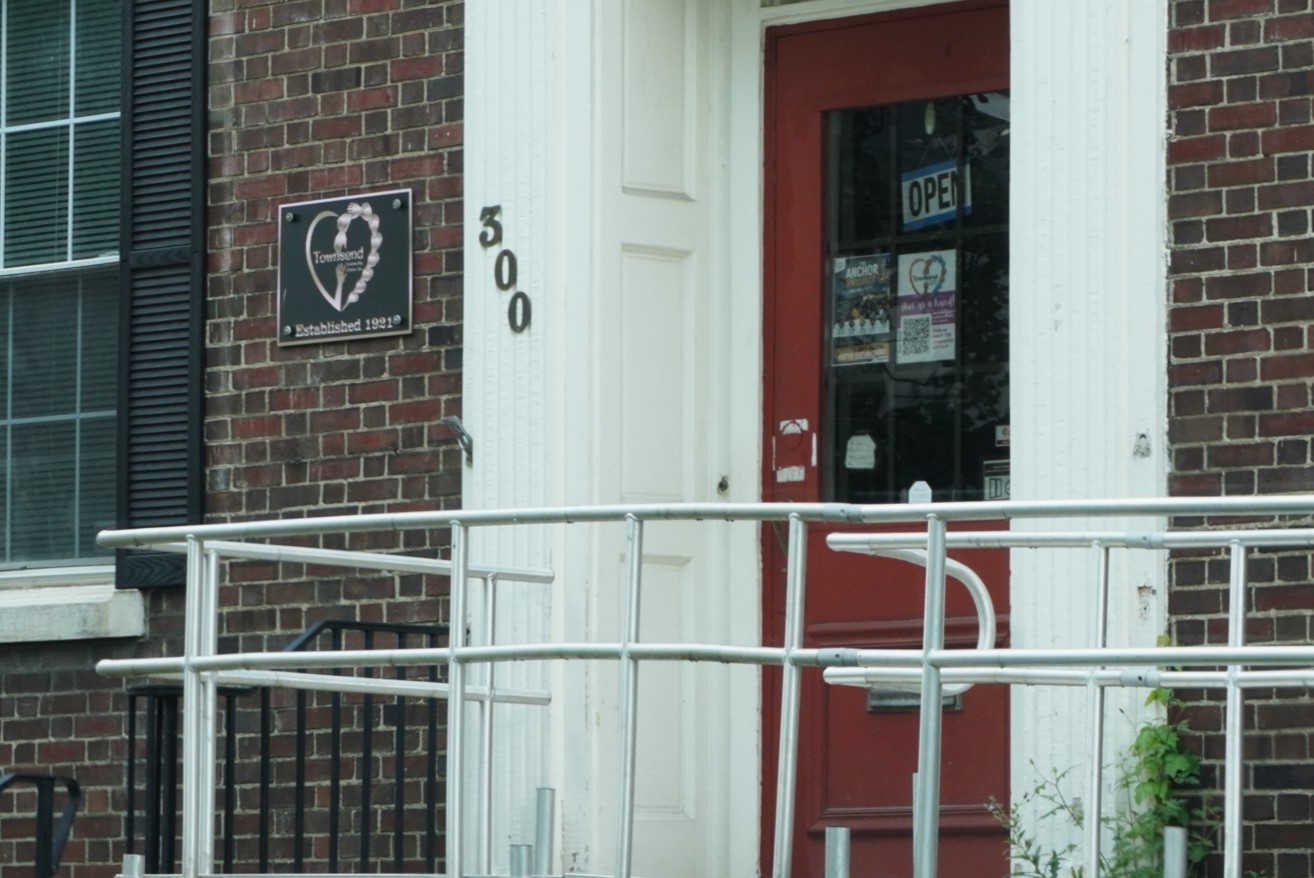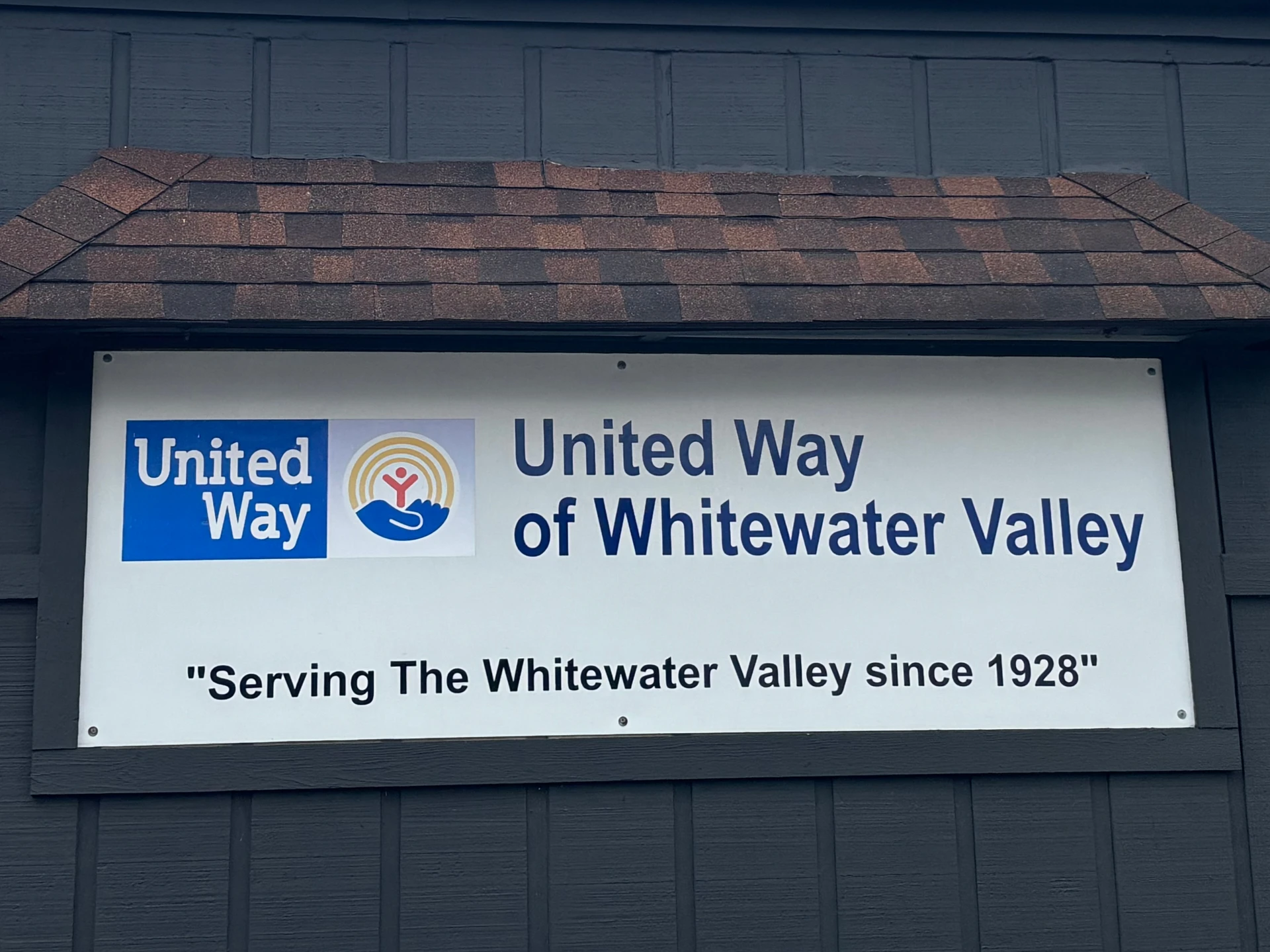
WAYNE COUNTY, Ind. – United Way has been part of the community for nearly a century, and as needs grow, the organization’s message remains simple: “we’re still here.”
United Way of Whitewater Valley serves Wayne and Union counties, focusing on youth opportunity, mental health, and seniors living on fixed incomes.
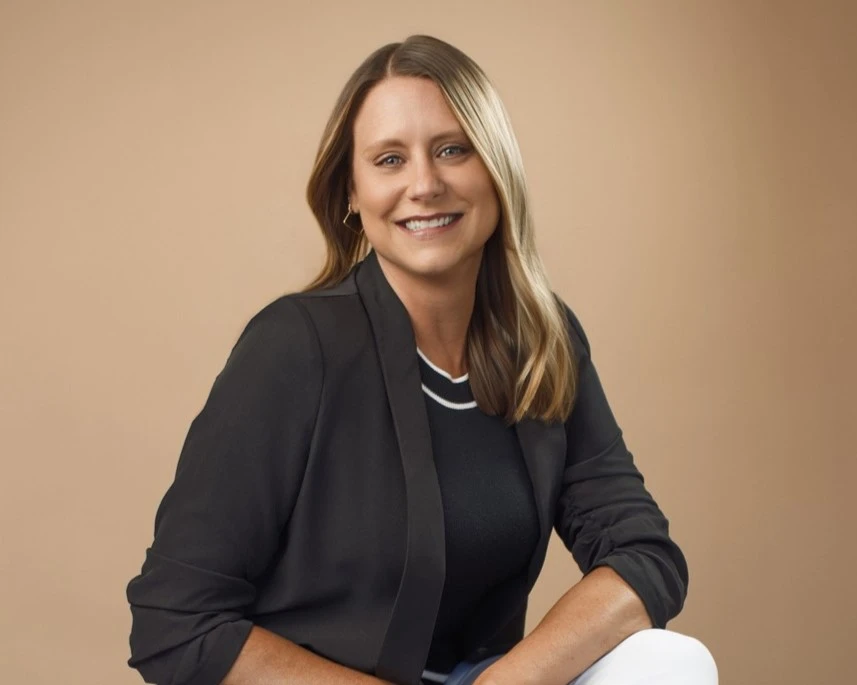
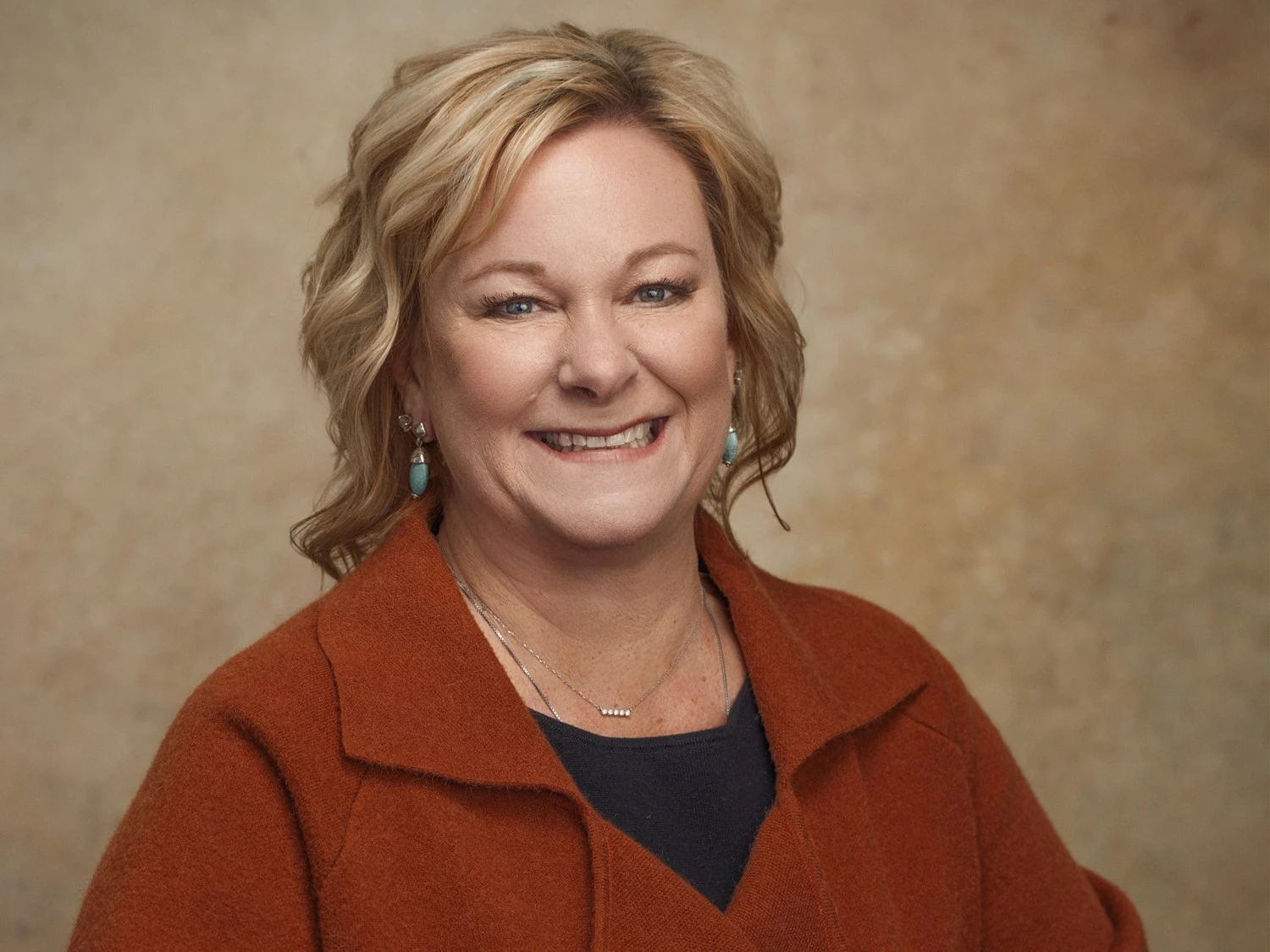
“We want everyone to be financially secure, to have a healthy community, and also just generally to be a resilient community. So those are the areas that we look to lift up those that are struggling,” said Tamara Brinkman, President at United Way of Whitewater Valley.
How United Way Works
United Way works as a funder, thought leader, and a convener, gathering donations during campaign season and distributing them to organizations addressing local needs. The organization does not fund individuals directly but connects residents to agencies that can help.
“We don't have programming on our own, but we bring groups together to talk about the needs. We bring donors together at a variety of levels to fund those needs, and then we monitor where the money goes and how the organizations are doing with those programs,” said Karen Pipes, board chair.
Company donors include First Bank Richmond, Ahaus Tool & Engineering, 3Rivers, and Wayne County offices, among others. An annual grant cycle opens funding to nonprofits each year.
“Historically we got money from employee campaigns, meaning a group of people could come together at one dollar or five dollars a paycheck and come out with $10,000, which is pretty impactful,” Pipes said.
Funding also comes from individual donors and family foundations, with a strong emphasis on year-end giving.
Pipes said the organization is working to rebuild its brand identity. “We've kind of lost a little bit of our identity and we've been trying really hard the last 18 months to talk to donors, talk to those employee campaigns, but also engage people on the board that can talk to their circles and make sure that they know that United Way is still here,” she said.
Community Needs
United Way uses the national ALICE data tool to track families who work full-time but still cannot afford basic expenses. Locally, half of all families struggle to meet basic needs. For single-parent households with children, the number rises to 70 percent, and more than half of residents age 65 and older face similar challenges.
Brinkman said rising costs are hitting older residents especially hard, because many seniors rely on fixed incomes that don’t increase with inflation. With the county’s population skewing older, these struggles are becoming more common.
“We're going to be in that senior space. We're going to keep pushing into that because they're just aging further. And then, you know, we need to get more young people into the community,” she said.
Currently, few programs specifically address senior needs, as most services are geared toward youth. Pipes said United Way uses data to determine where funding should go: “We take those numbers and we look at our community and say who are the partners we can fund and they apply for our funding that we have available.”
Impact in Action
One example of United Way’s impact is the introduction of Trust-Based Relational Intervention (TBR) into Wayne County Schools during the COVID-19 pandemic. The trauma-informed curriculum, developed by Texas Christian University, helps teachers understand and respond to student behavior rooted in trauma.
“It's understanding the behavior that's causing disruption in the classroom and the teachers and everybody else,” Brinkman said. “There's a reason why that child is acting that way. This is really meant to give teachers a tool to help them get that kiddo kind of regulating themselves again.”
“So rather than just scolding the child or punishing them for the outburst, you're trying to understand what their need is and then once you can get them in a regulated state, then you can have the discussion if there's consequences,” Pipes said.
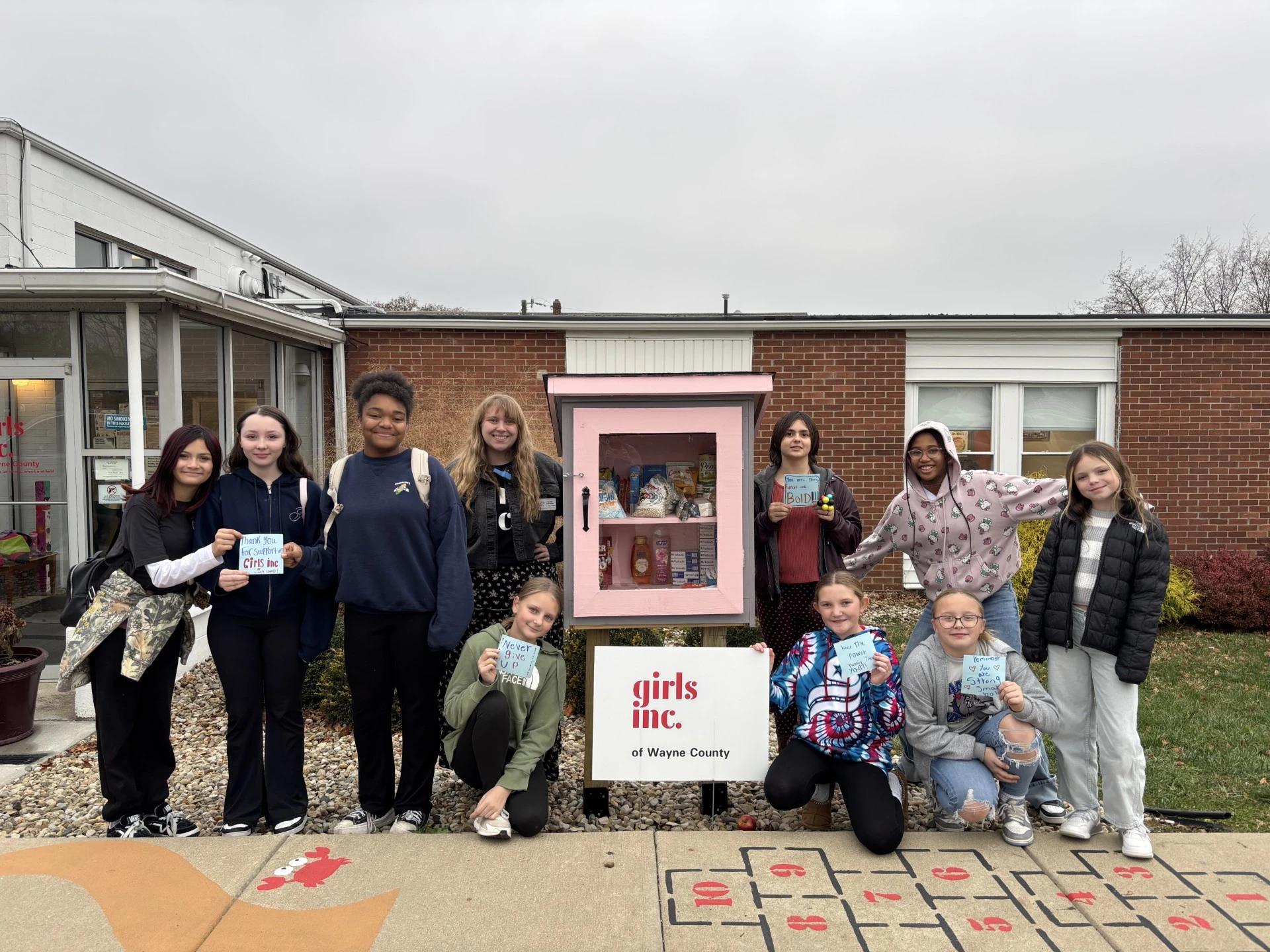
The program has also been offered to local nonprofits including Birth to Five, Girls Inc., and JACY House.
The STRIDE Center
United Way also invested $50,000 in the new STRIDE Center, calling it a major win for Wayne County’s mental-health infrastructure.
Kelly Benedict, Centerstone’s Director of Crisis Services in Indiana, said the mission of the STRIDE Center is simple but critical: helping people experiencing mental health or substance-use crisis find immediate safety and stability, ideally without involving law enforcement, jails, or emergency rooms.
“STRIDE is a key part of Centerstone’s broader crisis care continuum as a Certified Community Behavioral Health Clinic,” she said. “By offering timely, compassionate support, STRIDE helps reduce strain on hospitals and first responders while providing care that is more appropriate and person-centered.”
The center offers walk-in crisis assessments, short-term stabilization, and supportive de-escalation in a safe environment. Staff help individuals identify next steps and connect them to community resources, including outpatient treatment, housing support, and shelter services. Patients can also be referred to higher levels of care, such as acute hospitalization. There is also a remote mobile unit available to serve youth, so that kids aren't coming into the same facility as adults.
Benedict said the partnership between Centerstone and United Way emerged from a shared commitment to expanding crisis-care access. United Way’s financial support made it possible to renovate the building and open the center in February 2025. “The support turned a critical gap in services into a community resource for those in need,” she said.
The Center is open all day, every day of the year. Community involvement has been essential to the center’s success. Benedict said Centerstone collaborated with law enforcement, the fire department, the health department, and United Way before opening the facility. “We meet regularly to review progress, celebrate successes, and work together to address any challenges,” she said. “We are all really proud of what we’ve accomplished.”
Misconceptions and Changing Giving Habits
Pipes and Brinkman said one of the biggest misconceptions about the organization is that many residents don’t understand what United Way does. Rather than donating to a single program, contributions support a collective network of vetted nonprofits, ensuring accountability.
They also noted that fundraising has also changed over the years. In the past, nonprofits receiving United Way support were restricted from raising money during the fall campaign season, but those rules no longer exist, and now nearly every nonprofit is competing for the same limited dollars.
At the same time, habits are shifting. Longtime employee donors often retire, and younger generations tend to prefer hands-on volunteerism over financial giving.
“A lot of people want to do a volunteer event and, you know, run the food line or do something tangible. And yet giving here is tangible because we can maximize that dollar that you give us and flow it through to the organization you want to,” Pipes said.
Pipes added that residents don’t realize how much outside funding United Way brings into Wayne County, money that would not reach the community otherwise.
Looking Ahead to 100 Years
As United Way approaches its 100th anniversary in 2028, Pipes and Brinkman said they are working to reinforce the value of collective giving across their board and into the community.
“If you give $5 to us aside from that it's going to get matched and we're gonna put it to the greatest need, you're helping more people than you even realize with $5,” Pipes said.
You can find more information and ways to give on the United Way of Whitewater Valley website.